
Every remote buyer asks the same question in the first message: how fast can a car be delivered. It is the right question, because it is the one part of a long-distance purchase that a dealer cannot fully control. Nobody owns the trucks, the weather or the load boards, and any seller who answers with a single guaranteed date is either guessing or hoping you will not notice.
This guide gives the honest version. It explains what actually determines transit time, how fast a car can be delivered on short, medium and long routes, what rush car shipping can genuinely shorten and what it cannot, and how to build a deadline that survives one bad day on Interstate 40. For the short version: the answer to how fast can a car be delivered is distance plus dispatch, never distance alone.

What this guide covers
- How fast can a car be delivered, realistically
- What decides car shipping transit time
- How long does car delivery take by distance
- What rush car shipping can actually shorten
- What expedited vehicle delivery costs, and when it pays
- How to speed up a delivery without paying extra
- What slows a delivery down
- Shipping versus flying out to drive it home
- What to do on arrival day
- Vehicles that ship on busy lanes
How fast can a car be delivered, realistically
For a normal cross-country move, plan on five to eight days from the moment a carrier picks the vehicle up. For regional moves of a few hundred miles, one to two days is common. The number that surprises buyers is the gap between signing and pickup, which is usually one to six days on its own, because a truck has to be routed to the seller’s location before the clock even starts.
So the complete answer to how fast can a car be delivered has two halves: dispatch time and transit time. Dispatch is when a carrier commits to the load and schedules the pickup. Transit is the drive itself. Most disappointed buyers were quoted transit and forgot dispatch, then blamed the dealer for the week that disappeared before the truck arrived.
A dealer who ships regularly knows roughly how many days their region adds on each direction. That knowledge is worth more than any advertised speed, because it comes from actual dispatch history rather than a rate sheet. That history is also the best predictor of how fast can a car be delivered on your route this month.
What decides car shipping transit time
Car shipping transit time is not a rolling average. It is the product of one route, one truck and one season. Five variables move the number more than anything else, and every one of them is something you can ask about before you commit, which turns an anxious wait into a schedule you understand.
| Variable | Effect on timing | What to ask |
|---|---|---|
| Distance and route popularity | Popular corridors dispatch faster than remote ones | Is this lane running weekly or waiting for a load |
| Pickup location type | A city terminal dispatches faster than a rural address | Can the vehicle meet the truck at a terminal |
| Season | Snowbird and auction seasons tighten capacity | How booked is the lane this month |
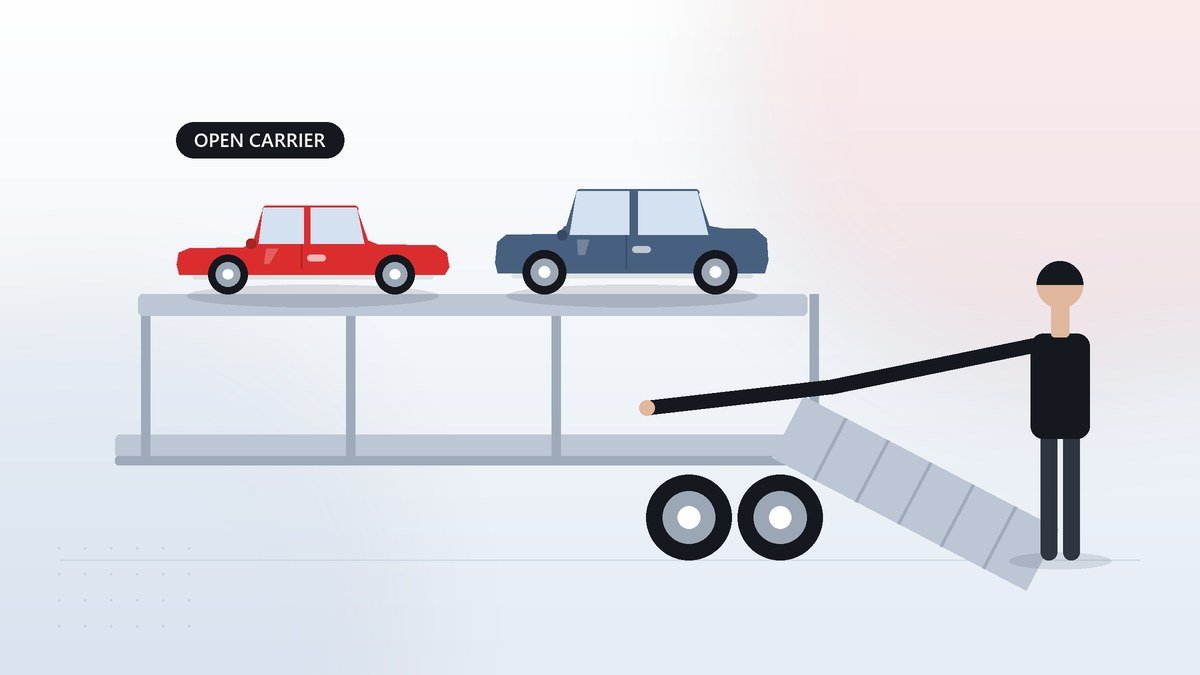
| Carrier type | Open carriers are plentiful, enclosed trucks are not | Is an enclosed truck available on this route |
| Weather and closures | Mountain passes and storms add days | What buffer does the carrier build in |
The lane matters more than the mileage. A vehicle moving between two metro areas on a busy corridor may arrive in four days across 1,800 miles, while a similar distance into a smaller market takes a week because trucks fill slowly. When someone tells you how fast can a car be delivered, listen for the word lane. If it does not come up, the estimate is generic. Ask any seller how fast can a car be delivered and listen for the lane they name.
Season is the variable buyers underestimate. Late autumn and early spring are busy because seasonal residents move vehicles in both directions, and auction volume spikes after lease returns. Booking in a tight week is not a reason to panic; it is a reason to ask for a wider window in writing instead of a narrow promise. A booked lane does not change how fast can a car be delivered once a truck is assigned, but it changes the wait before that happens.
How long does car delivery take by distance
The table below is what carriers quote in practice for open transport on a normal lane. Treat every row as a range, not a commitment, and add a buffer if you have a hard date. Buyers who ask how long does car delivery take and get a single number are usually talking to someone who has not called a dispatcher yet. The honest range answers how fast can a car be delivered better than any single date does.
| Distance | Dispatch to pickup | Transit | Total from signing |
|---|---|---|---|
| Under 300 miles | One to four days | Same day to one day | Two to five days |
| 300 to 800 miles | Two to five days | One to two days | Three to seven days |
| 800 to 1,500 miles | Two to six days | Two to four days | Four to ten days |
| 1,500 to 2,500 miles | Three to seven days | Four to seven days | Seven to fourteen days |
| Over 2,500 miles | Four to eight days | Five to eight days | Nine to sixteen days |
Those totals look slower than the marketing on most transport broker sites, and that is deliberate. Broker quotes are usually transit estimates with dispatch excluded, which is why a buyer who planned for five days ends up calling on day nine. Ask for the total, and ask which of the two halves each date refers to. Every buyer who asks how fast can a car be delivered deserves that total, not half of it.
If your deadline is inside the total window, the honest answer to how fast can a car be delivered is that it may not arrive in time. A dealer who tells you that is more useful than one who promises a date the carrier never agreed to. A straight answer about how fast can a car be delivered beats an optimistic one every time.
What rush car shipping can actually shorten
Rush car shipping exists, and it works, but it accelerates one half of the timeline. You can pay to have a carrier routed to your vehicle sooner, and you can pay for a dedicated truck that carries nothing else. Both reduce dispatch time. Neither makes a truck drive faster than the speed limit, and neither removes the distance. That is the honest answer to how fast can a car be delivered with money on the table.
- Expedited dispatch: the load is offered to carriers first and often filled within one to two days.
- Dedicated transport: one truck, one vehicle, pickup on a date you choose, driven directly.
- Terminal drop: the vehicle meets the truck at a hub instead of a rural address, cutting a day or two.
- Partial-load priority: a carrier already running your corridor takes the vehicle at the next stop.
What rush car shipping cannot do is guarantee an arrival hour, skip a state inspection requirement or fix a missing title document. The paperwork runs on its own clock. If the title is not released until a lien payoff clears, paying for priority transport only moves the wait, not the end date. No amount of spending changes how fast can a car be delivered when the title is not in hand.
The practical version of expedited vehicle delivery is a conversation about trade-offs: more money for less dispatch time, or more flexibility for a better price. Buyers who want both usually get neither, and they end up asking how fast can a car be delivered three times a day while the vehicle sits in a staging lot. Buyers who plan around how fast can a car be delivered instead of demanding a date usually get the vehicle sooner.
What expedited vehicle delivery costs, and when it pays
Priority load offers and dedicated trucks cost more than standard open transport, and the premium is usually largest on short notice. Whether it pays depends on the alternative. If a rental car costs you a hundred dollars a day and the standard window is nine days while priority is five, the math often favors paying for speed. That comparison, not a brochure, decides how fast can a car be delivered in a way you can afford.
Run the comparison the boring way. Add the rental cost, the cost of any missed work, and the value of having the vehicle in your driveway on the date you actually need it. Then compare that total against the priority premium. When the numbers are close, choose the faster option, because an unexpected delay on the slower one costs you the same money twice.
One caution about cheap priority quotes. A broker who promises two-day cross-country delivery at a standard rate is quoting transit only, with no truck assigned. Ask for the carrier’s MC number and the pickup date before you pay anything, and treat a refusal as the answer to how fast can a car be delivered from that company.
Our own nationwide delivery page explains how we quote dispatch separately from transit, and the FAQ covers terminal drop options. Read those two pages before you compare quotes from anyone else, because they give you the vocabulary to spot a vague estimate.
How to speed up a delivery without paying extra
Three habits move a vehicle faster at no cost, and all three are in the buyer’s control. They are also the difference between a buyer who asks how fast can a car be delivered and gets a real answer, and one who keeps hearing that it should be soon. In practice, those habits change how fast can a car be delivered more than most paid upgrades do.
- Be reachable and decisive on the day the carrier calls, because a missed call can cost a week on a filled truck.
- Have insurance and registration details ready so the carrier is not waiting on paperwork at pickup.
- Accept a nearby terminal or a flexible delivery address rather than insisting on one exact street.
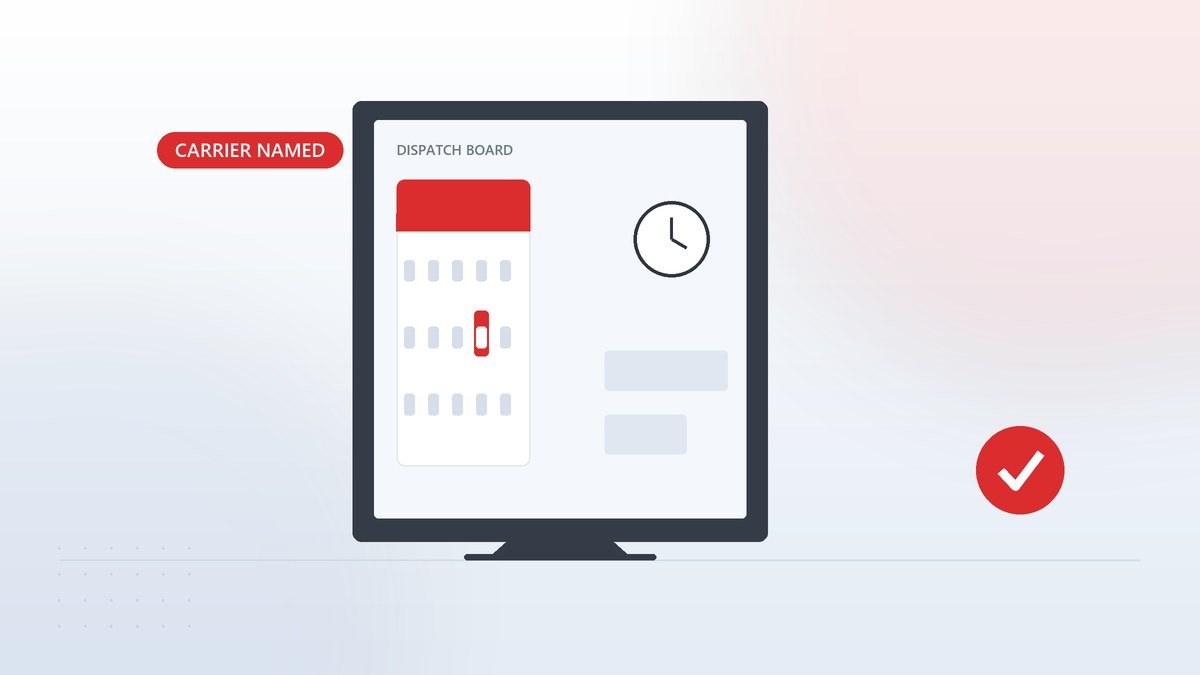
- Ask for the carrier name, MC number and pickup date the day you sign, not three days later.
The terminal option deserves its own note. Rural and residential addresses sit at the end of a route, and trucks prefer to unload where they can turn around and load again. Meeting a carrier at a commercial lot twenty minutes from home can save a day or more, and buyers who ask about it usually discover they can collect the vehicle sooner than the quoted window. Asking how fast can a car be delivered about a terminal is one of the cheapest ways to save a day.
Being reachable sounds trivial until it costs you a load. A dispatcher with a truck in your region calls the next name on the list when the first does not answer, and that list does not call back a second time. Keep your phone on, and answer numbers you do not recognize when you know a vehicle is moving. Answering the phone is a strange answer to how fast can a car be delivered, but it is often the correct one.
What slows a delivery down
Most delays come from four sources, and only one of them is weather. Knowing them in advance is the difference between a schedule that holds and a week spent refreshing a tracking link that does not exist. Each one can add days, and none of them are visible in an answer about how fast can a car be delivered.
- A title or lien release that has not cleared, so the vehicle cannot legally leave the seller’s lot.
- A deposit paid by personal check, waiting on clearance before the truck is released.
- An address the carrier cannot access with a 75-foot trailer and no alternative meeting point.
- A buyer who is unavailable for the arrival call, forcing the vehicle into storage.
Notice that three of the four are paperwork or communication, not transport. That is why the honest answer to how fast can a car be delivered starts before the truck is booked. Get the title status in writing, pay by a method that clears same day, confirm the delivery address is truck-accessible, and keep your phone available.
Weather remains the wild card, and it is worth respecting rather than fighting. A closed mountain pass in January adds days to any route through it, and carriers will wait rather than risk a load. Build a two-day buffer into any hard deadline and bad weather becomes an inconvenience instead of a crisis. Weather is also the reason no honest answer about how fast can a car be delivered is a single date.
Shipping versus flying out to drive it home
Within about 600 miles, flying out and driving home is often faster than any transport option, and sometimes cheaper once you count a one-way ticket and fuel. The fuel economy data at fueleconomy.gov lets you estimate the drive cost for the exact model you are considering, which turns a guess into a comparison. Below 600 miles, how fast can a car be delivered rarely beats a flight and a day of driving.
Beyond that distance, the calculation flips. A 2,000-mile drive means three days, two hotel nights, meals, and a thousand miles of wear before the vehicle has been properly inspected. At that point the question of how fast can a car be delivered has a second answer: sometimes transport is both faster in useful time and cheaper in real cost.
If you do drive, buy a temporary transit permit first. Arizona’s MVD guidance on selling a vehicle explains what the seller must provide at handover, including the title assignment and odometer disclosure, and your own state decides whether a permit is issued to you or through the dealer.
What to do on arrival day
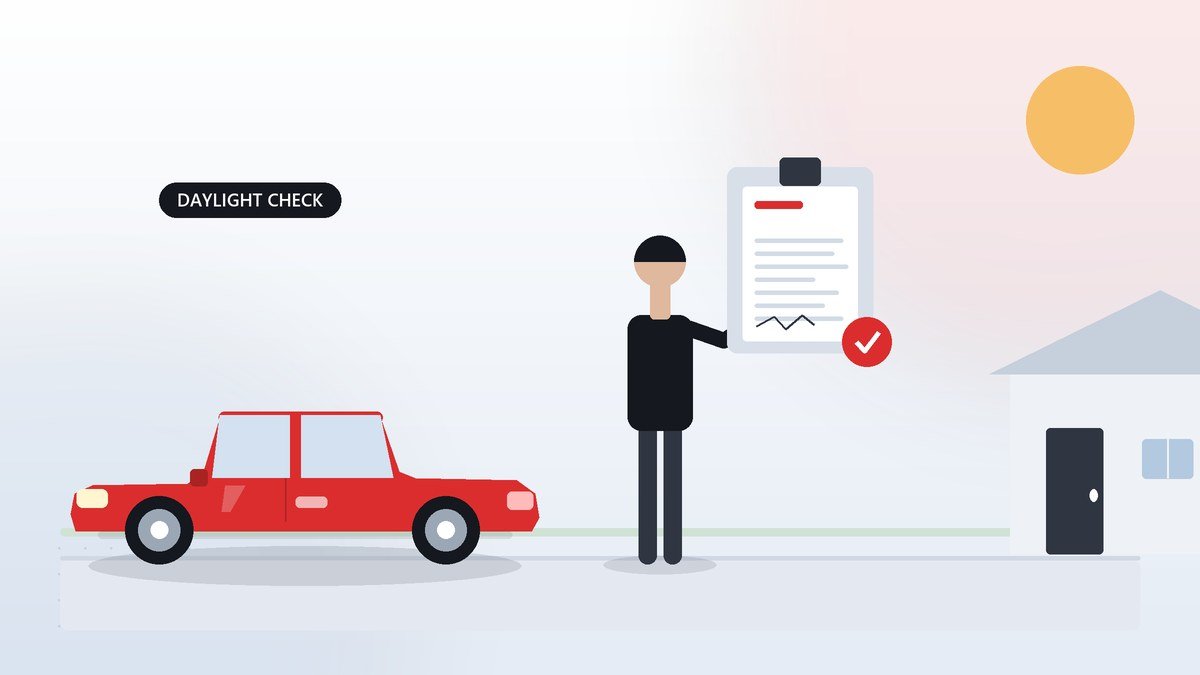
The delivery is the only moment you can still reject a vehicle, so treat it as an inspection rather than a handover. Walk the vehicle in daylight, photograph all four corners, check the odometer against the disclosure, and look underneath for damage that a loading ramp can cause. Then sign, and only then. Ask how fast can a car be delivered, then give yourself a full hour for the inspection when it arrives.
If something is wrong, write it on the bill of lading before the driver leaves. A clean signature means you accepted the condition, and a dispute filed a week later is much harder to win. Carriers document their own pre-load inspection for exactly this reason, so ask to see it if a panel does not match the photos you were sent.
That final check is why the question of how fast can a car be delivered should never come at the cost of the arrival inspection. A vehicle that arrives two days late but is inspected properly is a good outcome. One that arrives on time and is signed for in the rain is how buyers end up paying for paint they did not cause.
Vehicles that ship on busy lanes
If speed is the priority, choose a vehicle that moves on a common route. Popular models and configurations fill trucks faster, which shortens dispatch more than any upgrade you can buy. Current examples include a 2022 Honda Pilot Special Edition for three-row family duty, a 2020 Chevrolet Silverado 2500HD LTZ for buyers who need a heavy-duty truck, and a 2017 Ford Fusion SE as a low-cost commuter that almost any carrier will take.
You can browse the full inventory, review the 360-degree views to check interior condition remotely, and read the warranty terms before you decide. Every listing shows mileage, VIN and condition details, which is what makes a delivery estimate meaningful rather than generic.
Ask the same three questions on every listing: what lane is this vehicle on, when can a carrier pick it up, and what is the total window including dispatch. Get those answers in writing and you will never have to guess how fast can a car be delivered, because you will be holding the schedule that a carrier actually agreed to.
Need a delivery window, not a guess? Send your ZIP code and the vehicle you are considering and we will reply with the carrier lane, the pickup date and the total window in writing. Message the team here or start from current inventory.
These are the delivery-timing questions buyers ask most often.
Frequently Asked Questions
How fast can a car be delivered across the country?
Plan on five to eight days of transit for a 2,000-mile move, plus one to six days of dispatch before a carrier picks the vehicle up. That puts a realistic total at seven to fourteen days from signing. Short regional moves often finish in two to five days total.
Can a car be delivered in 48 hours?
Only on short routes with a carrier already running that corridor, or with a dedicated truck you are paying to drive directly. On any long route, a 48-hour promise means the seller is quoting transit alone and has not counted dispatch time.
What is car shipping transit time based on?
Distance, lane popularity, pickup location, season and carrier type. A busy metro-to-metro corridor moves faster than a rural address, and open carriers are far easier to book than enclosed trucks on short notice.
Does rush car shipping actually work?
Yes, for dispatch. Paying for priority load offers or a dedicated truck can cut several days off the wait for pickup. It cannot shorten the driving distance or guarantee an arrival hour, and it does not speed up title or lien paperwork.
Why is my delivery date moving?
Usually because the original date was a transit estimate with dispatch excluded, or because the truck filled a nearby stop first. Ask for the carrier name, the MC number and the confirmed pickup date, which is the only part of the schedule a dispatcher controls.
Should I pay extra for expedited vehicle delivery?
Compare the premium against what waiting actually costs you, such as a rental car or missed work. When a rental runs a hundred dollars a day and priority saves four days, it usually pays. When the difference is one day, keep the money and accept the standard window.