
Every dealer page says the same thing in different words, and this phrase is the one that actually matters to a buyer on a deadline: used cars ready to ship. It means the vehicle is physically on the lot, the title is in hand or releasable the same day, and a carrier can be dispatched to it without waiting on a payoff, a repair order or another customer’s financing.
That definition sounds obvious until you compare listings. Plenty of vehicles advertised as available are actually in transit from an auction, waiting on a lien release, or sitting in a body shop. This guide explains how to identify used cars ready to ship, what documents make a vehicle shippable, how same week car shipping actually gets scheduled, and what to ask before you send a deposit. If you remember one rule, it is that used cars ready to ship is a claim about paperwork first and transport second.
What this guide covers
- What used cars ready to ship actually means
- How to tell which listings are used cars ready to ship
- Why some vehicles cannot ship the same week
- The documents that make a vehicle shippable
- Same week car shipping, step by step
- In stock used cars for sale, and how to confirm it
- Buying used cars ready to ship from another state
- What to ask before you reserve
- Ready to ship vehicles in current inventory
What used cars ready to ship actually means
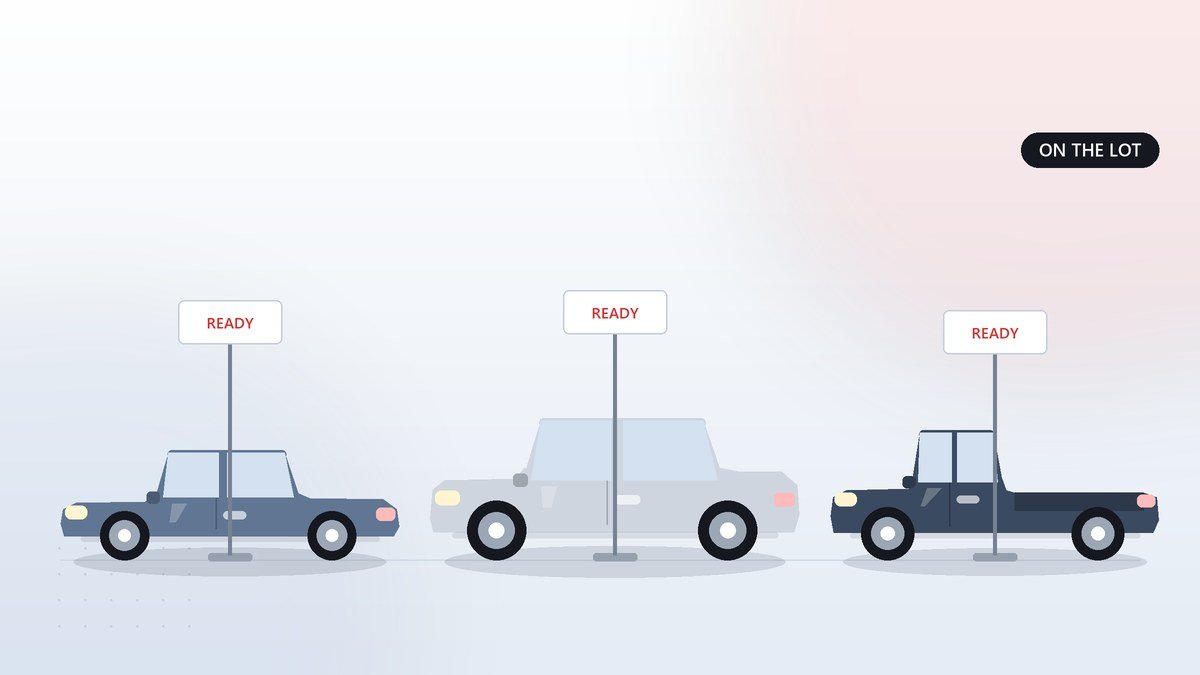
Three conditions have to be true at the same time. The vehicle must be on the seller’s lot, not in transit and not promised to someone else. The title must be clean and physically available, or a lien release must already be in progress with a known date. And the vehicle must be mechanically releasable, meaning no open recall that blocks delivery and no repair order still in the shop.
When all three are true, used cars ready to ship can be loaded on the next truck through your region rather than the next truck after the paperwork clears. That distinction is worth roughly a week, and it is the entire difference between a buyer who receives a vehicle before a rental agreement expires and one who extends it twice.
One clarification saves confusion: ready to ship is not the same as shipped. A vehicle that is staged and documented is ready to ship, but it still waits for a carrier heading your direction. Ready is a statement about the seller. Shipped is a statement about the truck. Used cars ready to ship are therefore the ones a dealer can describe with records rather than adjectives.
How to tell which listings are used cars ready to ship
You can screen a listing in about two minutes if you know what to look for. The signals below are hard to fake, because they describe records rather than promises. A seller with real used cars ready to ship answers all five without hesitating.
- The listing shows the actual unit with its own VIN, mileage and plate, not a stock photo of the model.
- The title status is stated in writing as clean and in hand, or as a lien release with a named date.
- Photos are dated and show the vehicle on the seller’s lot, with the background consistent across angles.
- The seller can name a carrier lane and a pickup date, which only happens when the unit is physically released.
- The out-the-door price is itemized the same day, because nothing is pending on the finance desk.
The reverse signals are just as useful. A unit described as arriving next week, or a listing with no VIN, or an answer that delivery depends on when the auction releases the car, is not among the used cars ready to ship no matter what the badge says. Those are pipeline vehicles, and pipeline vehicles move on someone else’s schedule. Filtering for used cars ready to ship removes most of that uncertainty before you spend a minute on the phone.
| Listing signal | What it usually means | Ask this |
|---|---|---|
| Arriving soon or in transit | Still with the previous owner, auction or transporter | What date is it physically on your lot |
| Title pending | Lien release or duplicate title in process | Who holds the title, and what release date is promised |
| Photos with background changes | Images stitched from several units | Send a walkaround video with today’s date |
| No carrier lane named | Seller has not dispatched this route before | Which carrier runs this lane weekly |
| Price changes daily | Unit is not committed and pricing is reactive | Is the out-the-door number good for 48 hours |
Why some vehicles cannot ship the same week
Four blockers account for almost every delay, and none of them show up in a listing photo. Understanding them keeps you from paying a deposit on a vehicle that cannot legally or physically leave the lot, which is the most common way an urgent purchase loses a week. Learning to spot the blockers is how buyers find used cars ready to ship instead of used cars waiting on a bank.
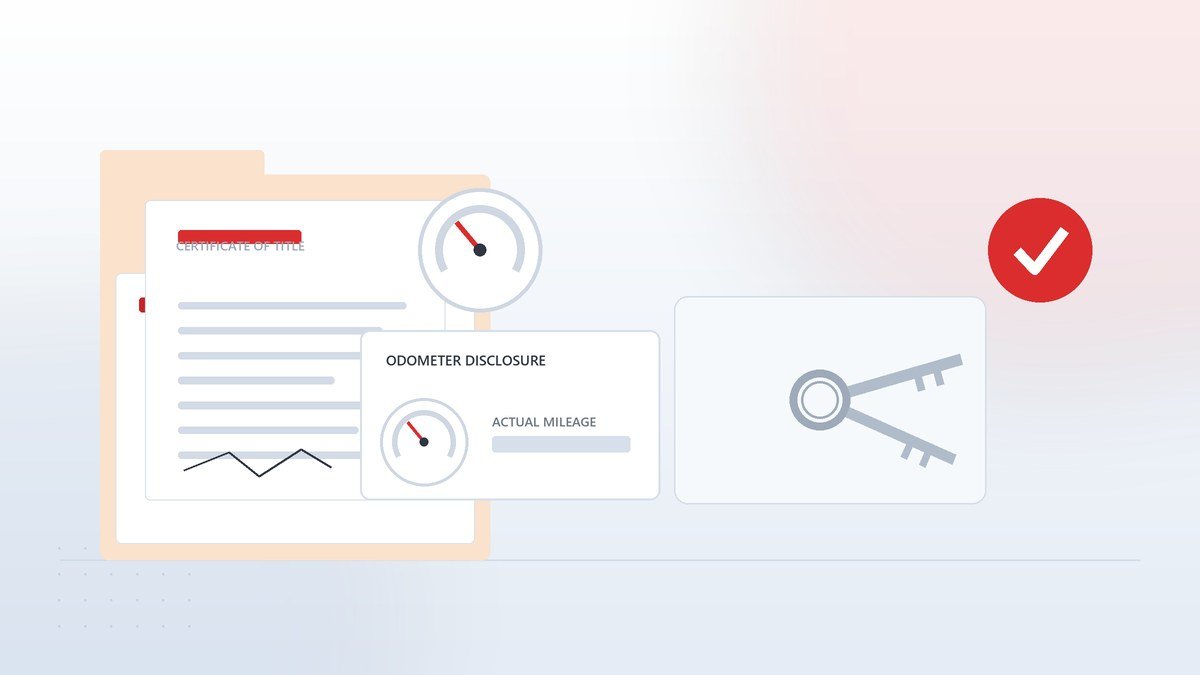
- A lien still held by a lender, where the release takes several business days after payoff.
- A salvage or rebuilt title that some states will not register without an inspection first.
- An open safety recall with no remedy available yet, which some carriers and states treat as a hold.
- A pending repair or reconditioning order, especially bodywork or a windshield replacement.
None of these make a vehicle a bad purchase. They make it a slow one. A buyer who needs a vehicle this month should filter them out early and focus on the used cars ready to ship, because a rebuilt title at a great price is still a six-week project in most states.
Recall status deserves a check on every vehicle regardless of speed. Look up the VIN on the manufacturer’s recall site before you commit, because an unrepaired recall is a documented defect rather than a matter of opinion, and the remedy timeline is set by the manufacturer rather than the dealer. A vehicle waiting on a remedy is not among the used cars ready to ship, however clean its title looks.
The documents that make a vehicle shippable
Paperwork is the part buyers underestimate. A vehicle can be perfect and still sit for ten days because one form is missing. The five documents below are what any dealer needs before used cars ready to ship can actually be handed to a carrier.
| Document | Purpose | Who holds it |
|---|---|---|
| Certificate of title | Proves ownership and allows transfer | Seller, or the lienholder until released |
| Odometer disclosure | Federal requirement at transfer | Seller prepares, buyer signs |
| Bill of sale or buyer’s order | Itemizes price, tax, fees and delivery | Seller prepares |
| Carrier bill of lading | Condition record at pickup and delivery | Carrier issues |
| Insurance confirmation | Carrier requires coverage before loading | Carrier or broker supplies |
Ask which of those already exist for the specific unit. A seller who can answer within the hour is working with used cars ready to ship. A seller who says the title is at the bank and will be overnighted once payment clears is describing a normal transaction, but not a fast one, and you should plan accordingly. The quickest way to find used cars ready to ship is simply to ask which of those documents already exist.
If you are titling the vehicle in another state, confirm how the seller handles the out-of-state paperwork. Some states want the title mailed directly to their motor vehicle office, and some require a wet signature on the application. Arizona’s MVD guidance on selling a vehicle explains the seller’s obligations at handover, and your own state’s forms decide the rest. Buyers titling in another state should settle this early, because used cars ready to ship only stay ready when the receiving state’s forms are understood.
Same week car shipping, step by step
When the vehicle is ready, same week car shipping is realistic on most routes. The sequence below is what actually happens between your deposit and the truck arriving, and it usually takes four steps across two to six days depending on lane and distance. Every one of those steps assumes used cars ready to ship at the start, which is why the document checklist comes before the deposit.
- Deposit received and buyer’s order signed, which commits the unit to you and stops other showings.
- Title and odometer documents prepared for your state, typically within one business day.
- Carrier dispatched with a named pickup date, usually one to four days after documents are ready.
- Transit to your address or a nearby terminal, one to seven days depending on distance.
Two of those four steps are paperwork, which is why same week car shipping depends more on the seller’s admin than on the trucking market. A dealer who prepares title work the same day consistently beats one who batches it on Fridays, even when both quote the same delivery window. It is also why used cars ready to ship from an organized dealer arrive sooner than identical vehicles from a disorganized one.
Ask for the pickup date in writing and treat it as the real commitment. Buyers who focus on the delivery date get disappointed, because delivery is downstream of pickup and weather. Buyers who lock pickup are the ones who can plan a rental return with confidence. Ask about used cars ready to ship and the answer should include a pickup date, not a promise to try.

In stock used cars for sale, and how to confirm it
In stock used cars for sale should mean physically present and available, but the phrase gets stretched. Confirmation takes three questions, and all three have short answers that are easy to verify. Ask them in a single message so the reply arrives as a complete picture. A dealer with used cars ready to ship answers all three in one reply, usually within the hour.
- Is this specific VIN on your lot right now, and can you send a photo of the odometer with today’s date.
- Is the title clean and in hand, and if not, who holds it and what is the release date.
- Which carrier runs this lane, and what pickup date can you commit to in writing.
A yes to all three means you are looking at in stock used cars for sale that can genuinely move this week. A hesitation on the second question is the one to watch, because title problems are invisible until they stop everything. Ask for the release date in writing and treat a vague answer as a no. Cars ready for immediate delivery can prove it with a screenshot, and the rest cannot.
It also helps to know how dealers source inventory. Vehicles bought at auction, from trade-ins or from wholesale channels arrive with different paperwork states, and a unit that arrived yesterday may still be in reconditioning. Asking when the vehicle landed on the lot tells you a great deal about how quickly it can leave.
Buying used cars ready to ship from another state
Remote buyers face one extra layer: you cannot walk the lot to confirm the unit exists. The workaround is documentation with timestamps. Ask for a walkaround video filmed after you inquire, with the odometer visible, and compare the background to the listing photos. A seller with nothing to hide produces it the same day. That video is how remote buyers confirm used cars ready to ship without standing on the lot.
Then run the two free checks that take minutes. The National Motor Vehicle Title Information System at vehiclehistory.gov reports salvage, flood, junk and odometer brands from participating states, which is exactly the information that decides whether a vehicle is genuinely ready or quietly branded. Pair that with a recall lookup by VIN.
Payment method matters as much as paperwork when you are buying from another state. A wire clears the same business day and lets the seller release the vehicle immediately. A personal check introduces a hold that many dealers apply to out-of-state buyers by policy, which can add days even when the vehicle is one of the used cars ready to ship.
Finally, agree the delivery address early. A residential street that a 75-foot trailer cannot enter will delay unloading, and the fix, meeting at a commercial lot nearby, only works if it is arranged before dispatch. Our nationwide delivery page covers terminal options, and the FAQ answers the address questions buyers ask most.
What to ask before you reserve
Reserving is the moment your leverage peaks, because the seller wants the deposit and you have not committed. Use it. Six questions in one message will tell you whether the vehicle is truly ready and whether the seller is organized enough to move it on schedule. Those six replies separate used cars ready to ship from vehicles that are merely listed.
- What is the exact pickup date you can commit to, and which carrier will do it.
- Has the deposit been applied to this VIN, and is it refundable if the title is delayed.
- What is the total out-the-door price including delivery to my ZIP code.
- Will you send the title and odometer documents today, or does something have to clear first.
- Does the vehicle have any open recall, and has every prior recall been performed.
- What happens if the vehicle is not as described when it arrives.
The fourth question is the one that separates real inventory from marketing. If the answer is that documents go out today, you are dealing with used cars ready to ship and the rest of the timeline is transport. If the answer involves waiting for a bank, plan on a longer window and say so out loud rather than hoping. Used cars ready to ship have documents that exist today, and that is the only version of ready worth a deposit.
Get all six answers in writing, in one thread. That thread becomes the record you rely on if a date slips, and it takes two minutes to produce. Buyers who skip it are the ones who later describe a dealer as unreliable when the real problem was an unspoken assumption about which documents existed.
Ready to ship vehicles in current inventory
Some models move faster than others because carriers consolidate loads around demand. If you want to buy a car that ships now, choose from configurations that travel on common lanes, because a popular vehicle fills a truck more quickly than an unusual one on the same route. For used cars ready to ship, lane popularity is the second fastest lever after paperwork.
Three examples from our lot illustrate the point. A 2021 Toyota 4Runner Limited moves on almost any lane and holds value, so carriers take the load readily. A 2017 Ford Explorer XLT is a three-row family vehicle that buyers in every state search for. A 2025 Ram 1500 Laramie is a newer truck that ships enclosed more often than open, which is worth knowing before you compare quotes.
You can browse the full inventory, open the 360-degree views to check interior and exterior condition, and read buyer reviews about the delivery process. Every listing shows mileage, VIN and condition details, which is what makes a ready-to-ship claim checkable rather than a slogan.
If you want the shortest path, send one message with the vehicle you want and your ZIP code. Ask for the pickup date, the carrier and the itemized total in the same reply. When all three come back the same day, you have found used cars ready to ship, and the rest is a delivery window you can plan around rather than a hope you refresh.
Want a vehicle that can load this week? Tell us the model and your ZIP code and we will confirm the VIN is on the lot, name the carrier and give you the pickup date in writing. Message the team here or start from current inventory.
These are the questions buyers ask about ready-to-ship inventory.
Frequently Asked Questions
What does used cars ready to ship mean?
It means the vehicle is physically on the seller’s lot, the title is clean and available or releasable the same day, and no repair or recall hold prevents loading. It describes the seller’s readiness, not the carrier’s schedule, which is quoted separately.
How quickly can a ready-to-ship vehicle leave the lot?
Documents usually take one business day, and a carrier pickup typically follows within one to four days on a common lane. Total time from deposit to pickup is often two to five days, with transit added on top depending on distance.
How do I know the car is really in stock?
Ask for a walkaround video filmed after your inquiry with the odometer visible, and compare the background with the listing photos. Then ask for the title status in writing and the pickup date with a named carrier. Vague answers on either point usually mean the unit is not ready.
Why do some cars take weeks to ship?
Usually a lien release, a branded title awaiting inspection, an open recall with no remedy, or a repair still in progress. None of those are visible in photos, which is why the document questions matter more than the listing description.
Can I buy a car that ships now if I still owe on a trade-in?
Yes, but the trade payoff has to clear before the dealer can release the new title. Ask how long payoff takes with your lender, and expect that delay to sit in front of the pickup date rather than beside it.
Does same week car shipping cost more?
Not necessarily. A vehicle already staged on a common lane often costs the same as a standard quote, because dispatch is faster. Priority load offers and dedicated trucks cost more, and those are the upgrades to compare against the cost of waiting.