Buying a vehicle you have never touched is the easy half. Getting it home is where most remote purchases turn stressful, because transport runs on someone else’s schedule and the vocabulary is unfamiliar. This guide explains used cars shipped to your door from the buyer’s side: what you are actually paying for, why the delivery window is not a promise, and exactly what to do in the ten minutes before you sign for it.
It is written for buyers in another state who have found the right vehicle and now need to move it. Everything here applies whether you are shipping a sedan across four states or a pickup from Arizona to New England.
What this guide covers
- Why used cars shipped to your door became normal
- Open or enclosed car transport
- What car shipping cost for buyers actually depends on
- How long delivery really takes
- The paperwork that arrives with used cars shipped to your door
- What a serious seller sends on loading day
- The delivery inspection checklist
- Paying for used cars shipped to your door without losing control
- Problems that come up, and how to handle them
- Why Arizona is a smart origin point
- What is available to ship right now
Why used cars shipped to your door became normal
Two changes made it mainstream. Inventory went national, so buyers stopped limiting searches to their own city, and carriers built networks that run regular routes in both directions. Once a buyer in Ohio can see a rust-free truck in Arizona and get a realistic quote to move it, distance stops being a barrier and becomes a line item.
The second change was price transparency. Ten years ago transport quotes were jokes passed between dealers. Today used cars shipped to your door is a quoted, scheduled service, and the buyer can compare the shipping charge against the price difference on the vehicle.
That comparison is the whole decision. If the right vehicle costs three thousand less than the local equivalent and delivery costs eight hundred, you are ahead before you ever see it.
What you are actually buying
You are buying a slot on a truck, not a private chauffeur. A carrier holds several vehicles heading in roughly the same direction, and it loads them in an order that makes the route work. Understanding that single fact explains almost every question buyers have about used cars shipped to your door.
Open or enclosed car transport
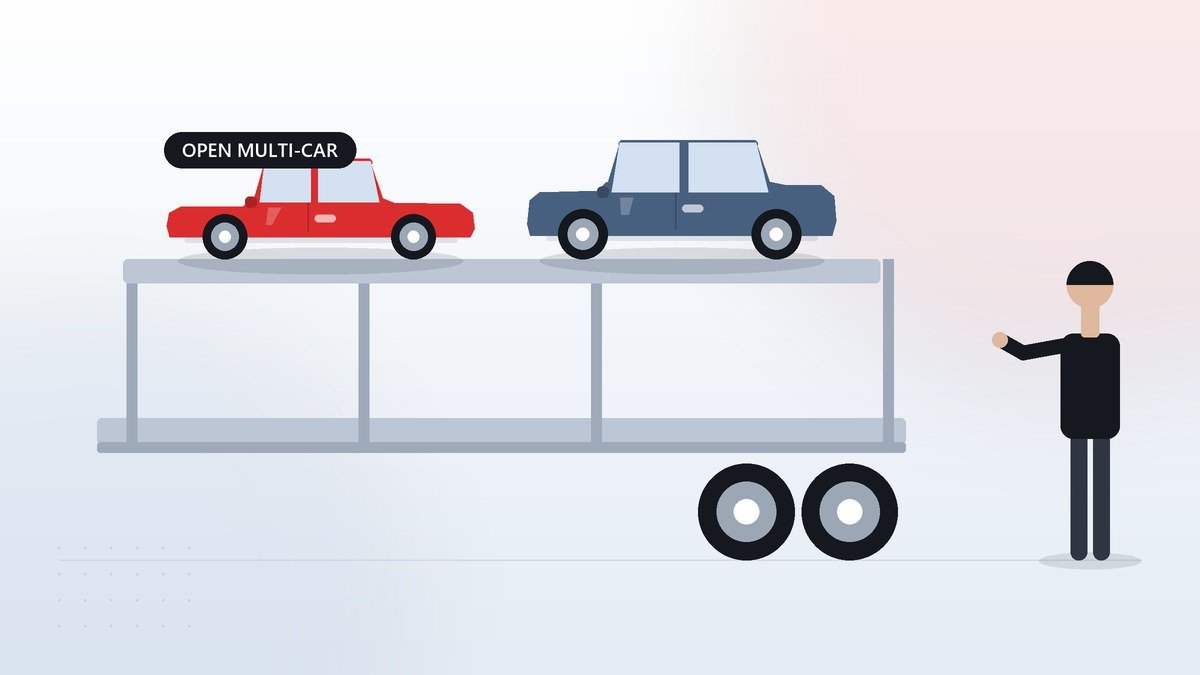
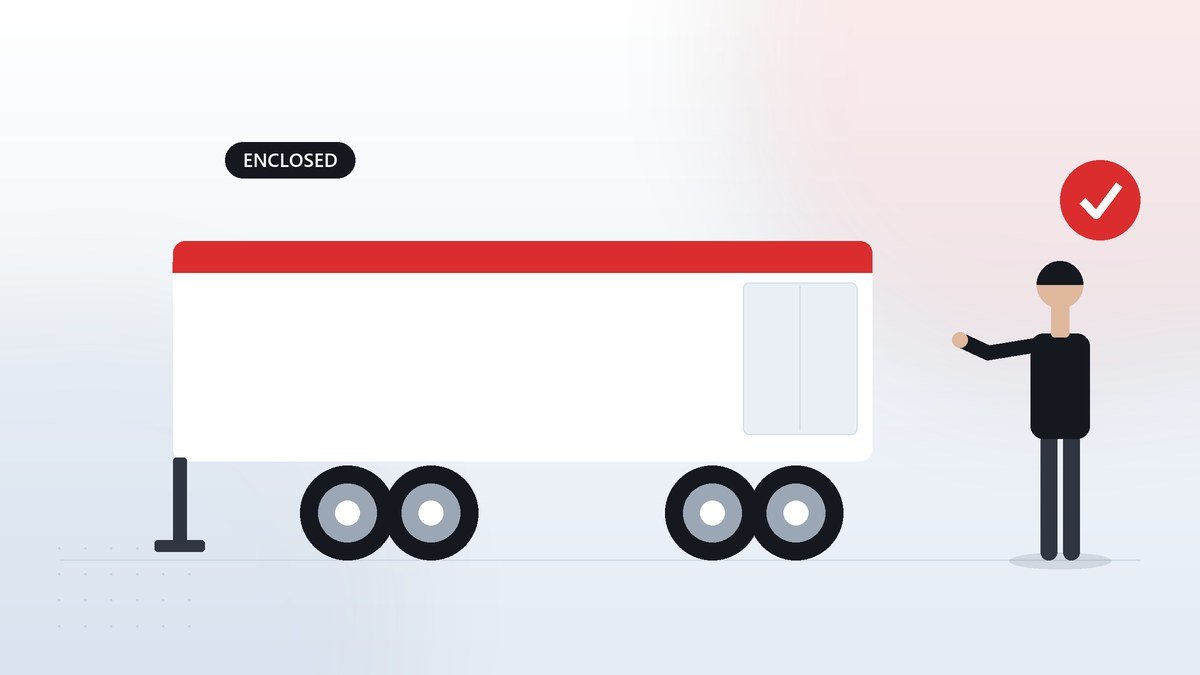
There are two ways to have used cars shipped to your door and the difference is straightforward. Open transport loads your car onto a multi-level trailer with eight or nine others. Enclosed transport uses a covered trailer, often for a single vehicle or a small load.
| Open transport | Enclosed transport | |
|---|---|---|
| Cost | Lower | Meaningfully higher |
| Availability | Wide, most routes every week | Limited, sometimes booked out |
| Best for | Sedans, SUVs, pickups, everyday vehicles | Exotics, classics, fresh paint, show cars |
| Exposure | Road spray and weather | Protected from weather and debris |
For a normal used car, SUV or half-ton truck, open transport is the correct choice and paying extra for enclosed buys you very little. The exception is a vehicle with fresh paintwork, a restoration, or something where a stone chip would be a real loss.
If a seller insists on enclosed transport for an ordinary sedan, ask why. Sometimes it is genuine care. Sometimes it is a way to inflate the delivered price, and the second thing is worth knowing before you agree to used cars shipped to your door at a premium. Enclosed transport is a premium upgrade to door to door car delivery, not a different service.
What car shipping cost for buyers actually depends on
Buyers assume the price of used cars shipped to your door is purely distance. It is not. Distance sets the baseline, but four other factors move the number more than most people expect.
- Route popularity: a busy corridor between two big cities is cheaper than a rural drop-off.
- Direction: trucks are cheap to fill when everyone wants to move the same way, and expensive when they do not.
- Vehicle size: a lifted heavy-duty truck takes more deck space than a compact sedan.
- Timing: peak moving season and short notice both add cost.
- Inoperability: a vehicle that cannot be driven onto the trailer costs extra, every time.
Ask for a written quote that separates the vehicle price from the transport charge. A single blended number hides the shipping cost, and shipping cost is the part you can negotiate or decline. Buyers who compare used cars shipped to your door across two or three carriers routinely find a few hundred dollars of difference on the same route.
Also confirm what the quote excludes. Loading and unloading, a residential versus commercial address, a liftgate, and storage after a missed delivery are common add-ons that appear after you have committed.
How long delivery really takes
The honest answer for used cars shipped to your door is a range, not a date. A vehicle is dispatched when a truck is heading your way, and on a popular route that is often two to five days after release. On a remote or one-way route it can be two weeks, and no amount of follow-up calls makes a truck appear faster.
What you should ask for is a pickup window and a delivery window, both expressed as ranges, plus the carrier’s name and a phone number you can call. Sellers who manage used cars shipped to your door every week can give you realistic numbers because they have done it before.
| Stage | Typical window | What you can control |
|---|---|---|
| Release after payment clears | 1 to 3 business days | Pay promptly, and confirm the title status early |
| Assignment to a truck | 1 to 7 days | Choose a popular route, or accept a longer window |
| Transit | 2 to 7 days depending on distance | Little, beyond choosing the carrier |
| Delivery appointment | 24 to 48 hours notice | Give the driver a reachable phone number |
Two practical rules keep this calm. Never book a flight or plan a trip around a delivery date. And keep a second contact number on file with the carrier, because drivers call when they are close and they do not wait long.
The paperwork that arrives with used cars shipped to your door
Documents for used cars shipped to your door should reach you before the vehicle does, not after. Ask for copies of all of the following while the car is still on the lot, and treat a missing item as a reason to delay dispatch.
- Signed buyer’s order with the itemized out-the-door total.
- Title, or the completed title application for your state.
- Lien release if the vehicle was financed previously.
- Bill of sale with both signatures, the VIN, the date and the price.
- Odometer disclosure statement.
- Buyer’s guide or warranty disclosure.
- Insurance confirmation in your name, effective from the ship date.
- Carrier name, insurance details and the bill of lading reference.
Registration and tax are handled in your state, usually. Some dealers collect the tax for you, some do not, and the rules vary enough that guessing is expensive. Confirm in writing who collects what before the car leaves, and you will avoid the most common complaint in remote buying.
Two free records checks take minutes and belong in every remote purchase. Run the VIN through the National Motor Vehicle Title Information System at vehiclehistory.gov to see salvage, flood, junk and odometer brands reported by participating states. If the vehicle is coming out of Arizona, read the MVD’s selling-a-vehicle title process so you know what the seller is required to hand over. Buyers who do both before they arrange used cars shipped to your door are rarely surprised at the registration counter.
What a serious seller sends on loading day
The twenty minutes before a carrier loads the vehicle are the cheapest insurance in the whole transaction. Ask for a short video of the car being walked around on the trailer deck, with the odometer visible and the driver’s paperwork in frame. It takes two minutes and it gives you a dated record of the condition the vehicle left in.
Ask for three more things in that same message: the carrier’s legal name and DOT number, the bill of lading reference, and a photo of the signed condition report. Buyers who arrange used cars shipped to your door without those have no way to prove what the car looked like at origin, and origin condition is what any transport claim turns on.
Then do nothing until the driver calls. Following the truck is not possible, and buyers who micromanage dispatch usually end up with a worse window than the one they were quoted. Once used cars shipped to your door clears the origin gate, the schedule belongs to the carrier, and your job is to be reachable and ready.
The delivery inspection checklist
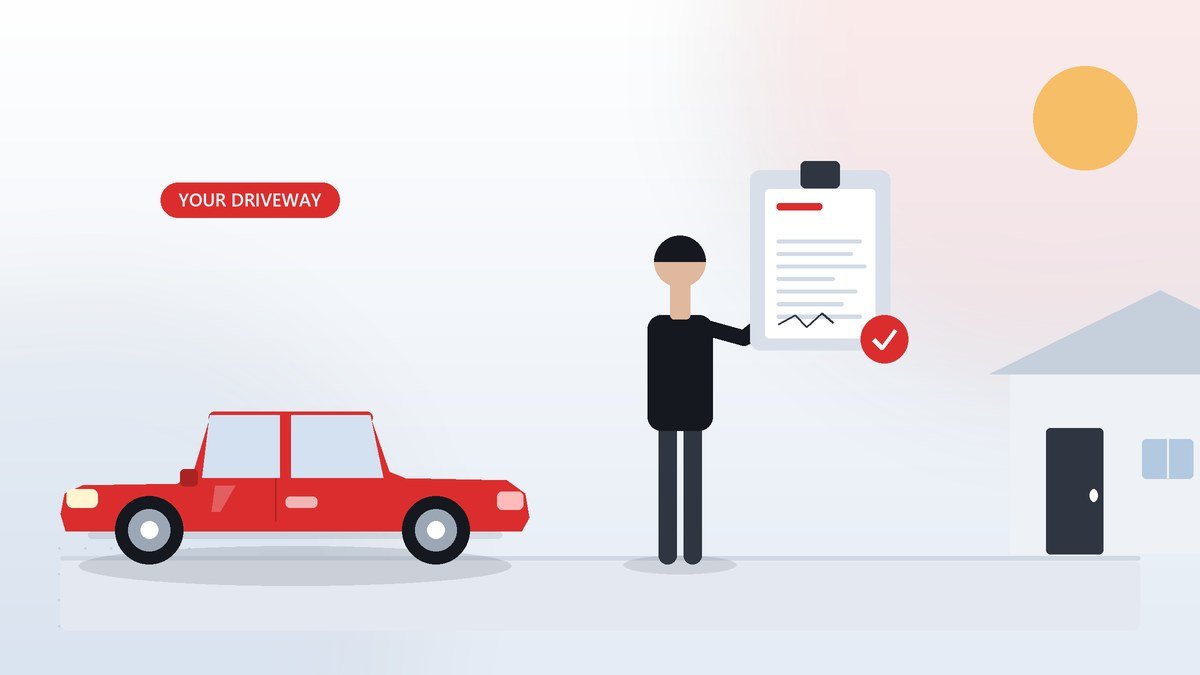
Delivery day is the last checkpoint you get with used cars shipped to your door, and it takes fifteen minutes. Do it in daylight, with the driver present, before you sign anything. Treat door to door car delivery as a handover you document, not a drop-off you watch from the window.
- Walk the entire vehicle slowly, photographing each panel as you go.
- Compare the body against the photos you were sent before purchase.
- Check the roof, the hood and the front bumper for transport damage.
- Confirm the odometer reading against the paperwork.
- Start it cold, listen for anything new, and check every warning light.
- Verify the VIN on the dash matches your documents.
- Confirm the spare, the jack and the key count.
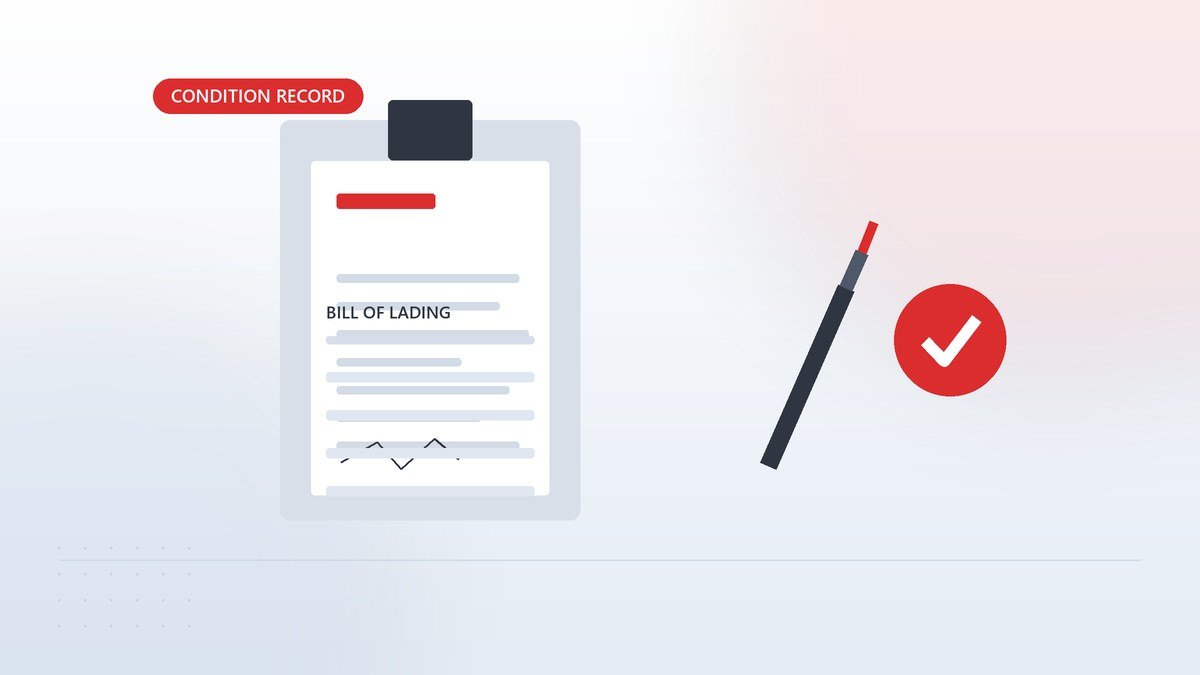
- Note any damage on the bill of lading before you sign, and photograph the note.
That last step is the one people skip, and it is the step that decides whether your claim survives. If you sign a clean bill of lading and find a dent the next morning, you have accepted the condition and your claim becomes difficult. If you write the damage on the receipt and photograph it, the carrier’s insurance is engaged immediately. That single habit is the difference between a calm door to door car delivery and a month of emails nobody answers.
Paying for used cars shipped to your door without losing control
Structure the money in the same order every time. A small refundable deposit holds the vehicle. Nothing else moves until you have a signed buyer’s order with the itemized total. The balance goes to the business account named on that contract, never to a personal account, and the shipping charge is agreed before dispatch.
Three rules cover the rest. Never wire money to someone you have not spoken to on video. Never accept a price quoted only as a monthly payment. Never let a deposit become non-refundable without a signature that says so plainly.
If you need financing, get approved before the vehicle is released. Ask whether the lender issues a draft directly to the dealer and how long the approval stays valid, because an approval that expires in transit can strand a delivery. The financing options at Ruben Car Sales work the same way for remote buyers as for local ones, and the CFPB auto loan guidance explains which numbers to compare.
Problems that come up, and how to handle them
Four issues account for most of the difficulty buyers have with used cars shipped to your door.
- The window slips: normal, not a crisis. Ask for the next realistic window rather than a new promise.
- The driver cannot reach you: give two numbers, and keep your phone on the day of arrival.
- Damage is found on arrival: note it on the bill of lading, photograph it, and report it the same day.
- The paperwork arrives late: delay registration rather than driving on an expired tag, and ask for a transit permit.
None of those are reasons to avoid remote buying. They are reasons to know the process before you start, which is the entire point of understanding how used cars shipped to your door actually works.
Why Arizona is a smart origin point
If you are choosing between two similar vehicles in different states, look at where each one has lived. Arizona has no road salt, so frames, brake lines and rocker panels last far longer here than in a salt-belt state. The heat is hard on batteries and cooling systems, and those are cheap, visible items compared with structural rust.
That is why buyers in the Northeast and Midwest regularly have used cars shipped to your door from the Southwest. The transport charge is real, but it is a known number, while frame rot is an open-ended one.
What is available to ship right now
Our listings show the mileage, the VIN and the condition details that matter, and they photograph the underside honestly, because remote buyers ask. Current examples include a 2017 Ford Fusion SE, a 2021 Honda CR-V EX-L and a 2024 Toyota Tacoma SR.
Start with the full inventory, use the 360-degree views to check the interior, read the nationwide delivery process, and check the warranty terms before you commit. If a question is not answered there, the FAQ page or a direct message will cover it.
The short version of this whole guide: understand that you are buying a slot on a truck, get the windows and the carrier in writing, inspect on arrival before signing, and used cars shipped to your door is one of the least dramatic purchases you will ever make.
Want a delivered price? Send your ZIP code with the vehicle you are looking at and we will quote transport to your door, with the carrier and the window in writing. Message the team here or start from the inventory page.
The questions buyers ask most often about used cars shipped to your door.
Frequently Asked Questions
How much does it cost to have used cars shipped to your door?
It depends on distance, route popularity, direction, vehicle size and how quickly you need it moved. Ask for a written quote that separates the vehicle price from the transport charge, and confirm what the quote excludes, because residential delivery, liftgate service and storage are common add-ons.
Is open transport safe for a normal used car?
Yes. Open transport is the industry standard for sedans, SUVs and pickups. Enclosed transport is worth the premium only for exotics, classics, fresh paint or restorations where a stone chip would be a real loss.
How long does delivery take once I buy the car?
Expect one to three business days to release the vehicle after payment clears, one to seven days to be assigned to a truck, and two to seven days in transit, all expressed as ranges. Do not book travel around a delivery date, because dispatch depends on truck routes rather than on the seller.
What should I check before signing the delivery receipt?
Walk the whole vehicle in daylight, photograph every panel, compare it against the original photos, check the odometer against the paperwork, verify the VIN, and note any damage on the bill of lading before you sign. A clean signature ends your ability to claim transport damage easily.
Can I finance a car that is being shipped to me?
Yes. Get approved before the vehicle is released, confirm the lender issues a draft directly to the dealer, and check how long the approval stays valid, since an approval that expires in transit can hold up the delivery.
Who is responsible if the car is damaged in transit?
The carrier is, provided the damage is documented at delivery. That is why the bill of lading matters: note the damage on it, photograph it in front of the driver, and report it the same day so the carrier’s insurance is engaged immediately.